
While holiday waste typically involves simple trash disposal solutions, certain types of junk require specialized waste containers and specific disposal methods. Understanding waste classification is essential for environmental compliance and avoiding costly disposal fees. This comprehensive guide examines five distinct categories of materials that necessitate specialized dumpster rental services rather than standard waste removal options.
Construction Debris and Renovation Waste Require Heavy Debris Containers
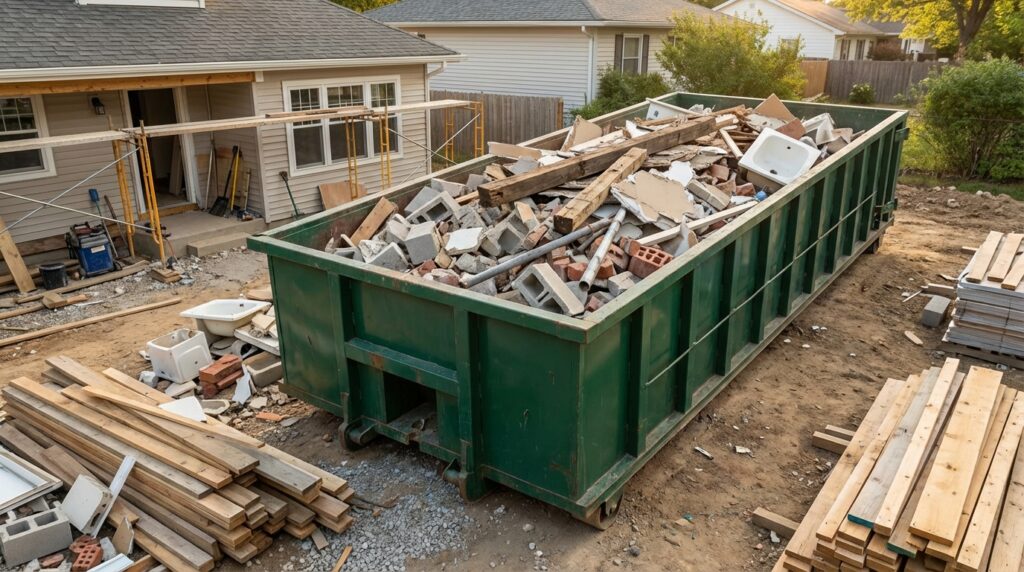
Construction debris represents a unique waste category that demands specific rental dumpsters designed for substantial weight limits and material handling requirements. Unlike residential junk, demolition debris contains heavy materials such as drywall, lumber, and metal components that exceed standard container specifications. Professional waste haulers typically offer dedicated construction waste removal services with reinforced roll-off dumpsters capable of managing dense loads without structural compromise.
Renovation waste often includes mixed materials that require proper waste sorting before disposal at specialized waste facilities. Contractors must understand disposal guidelines to prevent contamination and ensure material separation for recycling programs. Weight restrictions typically range from 2-10 tons depending on container size, making proper container selection crucial for cleanup projects. Compliance with local ordinances ensures smooth debris management throughout renovation timelines.
What Materials Qualify as Construction Debris?
Construction waste encompasses various materials generated during building, remodeling, or demolition activities. Typical items include dimensional lumber, wood waste disposal materials, metal scraps, plastic components, and packaging materials. These materials generally qualify as non-hazardous waste suitable for standard construction dumpsters when properly separated from prohibited items.
However, certain materials require separate handling procedures despite originating from construction sites. Roofing shingles containing asbestos, lead paint chips, and treated lumber often necessitate special waste handling protocols. Understanding material restrictions prevents disposal facility rejections and ensures environmental protection compliance throughout your cleanup services timeline.
Concrete Disposal and Heavy Inert Materials Need Specialized Weight-Rated Dumpsters
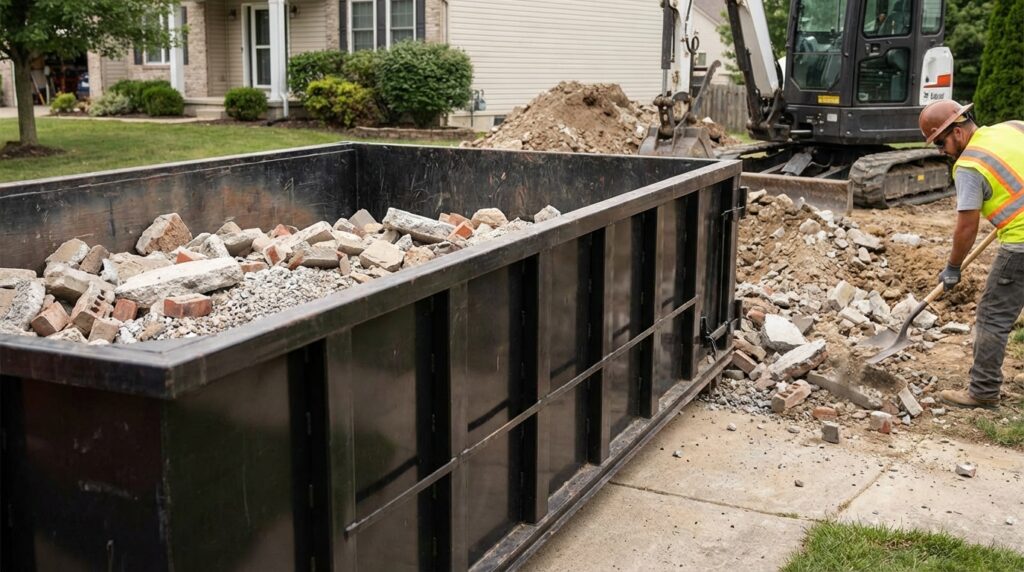
Clean concrete, brick disposal, and similar inert materials demand concrete-specific dumpster rental services due to their exceptional density and weight concentration. Standard debris containers cannot safely accommodate these materials without exceeding load restrictions and creating transportation hazards. Dedicated concrete dumpsters feature reinforced construction and lower sidewalls to facilitate safe material handling while respecting weight limitations established by waste disposal facilities.
Asphalt recycling, rock disposal, and gravel removal also fall within this specialized category requiring appropriate containers designed for heavy load management. Fill dirt disposal and topsoil removal projects benefit from material-specific containers that streamline waste diversion efforts. Many recycling centers accept clean concrete and masonry materials, offering sustainable disposal alternatives that reduce landfill dependency while potentially lowering disposal fees.
| Material Type | Weight Limit | Container Requirement |
|---|---|---|
| Clean Concrete | 10 tons | Heavy-duty roll-off |
| Brick/Masonry | 8 tons | Reinforced container |
| Asphalt | 10 tons | Specialized dumpster |
| Dirt/Fill | 10 tons | Low-sided container |
Yard Waste and Organic Material Disposal Require Dedicated Green Waste Containers
Yard waste encompasses lawn waste, garden waste, and tree debris removal materials that demand separate waste stream management for environmental compliance. Municipal waste regulations frequently mandate organic material disposal through designated programs that facilitate composting and waste diversion initiatives. Specialized yard waste dumpster rental services provide appropriate containers preventing contamination from non-organic materials that compromise composting processes.
Landscape debris including branch removal, leaf disposal, and stump grinding materials benefit from dedicated green waste container services. Many sanitation departments offer seasonal brush and tree debris collection programs, though large-scale projects require professional junk hauling services. Storm debris and disaster cleanup situations particularly benefit from specialized dumpster rental options designed specifically for organic waste volume and biodegradable waste characteristics.
Why Can’t Yard Waste Mix with Regular Trash?
Organic waste only dumpster rental services exist because compostable waste materials require separate processing to maximize environmental benefits and comply with disposal regulations. When yard waste mixes with general refuse, it becomes contaminated and loses its recycling potential. This contamination prevention approach supports sustainable disposal practices while reducing landfill volume through proper material separation protocols.
Additionally, many municipalities impose specific disposal requirements for organic materials to support waste diversion goals. Green waste dedicated container rental ensures compliance with local ordinances while facilitating efficient waste processing at specialized facilities. This separation ultimately reduces disposal costs and supports environmental protection initiatives through proper waste handling procedures.
Roofing Shingles and Heavy Building Materials Demand Roofing-Specific Dumpsters
Roofing waste disposal requires specialized containers due to the unique characteristics of asphalt shingles, which combine exceptional weight with sharp edges and petroleum-based composition. A standard dumpster rental for roofing projects must accommodate approximately 3-5 tons of material for average residential applications. Professional waste management companies offer roofing shingle disposal dumpster rental services featuring appropriate weight ratings and disposal site arrangements.
The weight concentration of roofing materials creates significant transportation challenges when improperly contained. Specialized waste containers designed for shingle disposal feature lower capacities but higher weight tolerances, typically limiting loads to 2-3 tons. Understanding these heavy debris dumpster rental requirements prevents overloading situations that incur additional fees or require secondary container services for project completion.
Electronic Waste and Appliance Disposal Require E-Waste Certified Container Services
Electronic waste represents hazardous materials requiring EPA-compliant disposal methods through certified waste disposal facilities equipped for proper waste processing. E-waste items including computers, televisions, and fluorescent bulbs contain restricted materials such as mercury, lead, and refrigerants demanding special waste handling protocols. Standard roll-off dumpsters cannot legally accept these items, necessitating dedicated electronic recycling services.
Appliance disposal, particularly for refrigerators containing Freon, requires certified technicians to remove refrigerants before final disposition. Battery recycling, fluorescent bulb management, and similar universal waste categories fall under specific disposal requirements established by environmental protection regulations. Many waste haulers coordinate with recycling centers to ensure proper e-waste handling, though these services typically involve additional disposal fees reflecting specialized processing requirements.
- Refrigerators and freezers with refrigerant removal certification
- Computers, monitors, and televisions requiring data destruction
- Fluorescent bulbs containing mercury compounds
- Batteries requiring specialized recycling procedures
- Small appliances with electrical components
Frequently Asked Questions
What items are prohibited in standard dumpster rentals?
Prohibited items typically include hazardous materials, electronic waste, appliances with refrigerants, tires, batteries, paint, chemicals, asbestos, medical waste, and propane tanks. These materials require specialized disposal through certified facilities due to environmental and safety regulations established by the EPA and local ordinances.
How much does a concrete-specific dumpster rental cost?
Concrete-specific dumpster rental services typically range from $300-$600 depending on container size, weight limits, and local disposal fees. These specialized containers accommodate 10-15 cubic yards with weight restrictions around 10 tons. Prices vary based on geographic location and disposal facility requirements.
Can I mix different types of waste in one dumpster?
Mixed debris is generally acceptable in standard dumpsters, but specialized materials like concrete, yard waste, and roofing shingles require separate containers. Mixing incompatible materials can result in additional sorting fees, disposal facility rejection, or contamination charges that significantly increase project costs.
What qualifies as household hazardous waste?
Household hazardous waste includes paint, chemicals, pesticides, motor oil, antifreeze, cleaning products, aerosol cans, and fluorescent bulbs. These materials require special disposal through designated collection programs or hazardous waste facilities rather than standard junk removal services to prevent environmental contamination.
How do I choose the right specialized dumpster for my project?
Container selection depends on material type, weight estimates, and project scope. Consult with professional waste management companies about specific disposal requirements, weight limits, and material restrictions. Providing detailed information about your waste stream ensures appropriate container assignment and prevents costly complications.
Are there weight limits for yard waste dumpsters?
Yard waste dumpsters typically accommodate 1-3 tons of organic material depending on container size. Green waste is generally lighter than construction debris, but wet materials or soil contamination can significantly increase weight. Confirm weight allowances with your waste hauler to avoid overage fees.