
When you’re finally ready to tackle that cluttered garage, selecting the appropriate waste container becomes your first critical decision. The difference between a successful garage cleanout and a frustrating debris removal experience often comes down to proper dumpster selection. Understanding container size options, weight limits, and rental logistics ensures your organizational project proceeds smoothly without unnecessary complications or expenses.
Many homeowners underestimate the volume capacity needed for garage decluttering solutions, leading to overfill situations or requiring additional pickups. This comprehensive guide walks you through the essential factors that determine which roll-off dumpster best serves your specific garage cleanup planning needs. From understanding cubic yards to navigating permit requirements, you’ll gain the expertise needed to make an informed decision for your waste disposal solutions.
Dumpster Rental Service Options Transform Garage Decluttering Projects
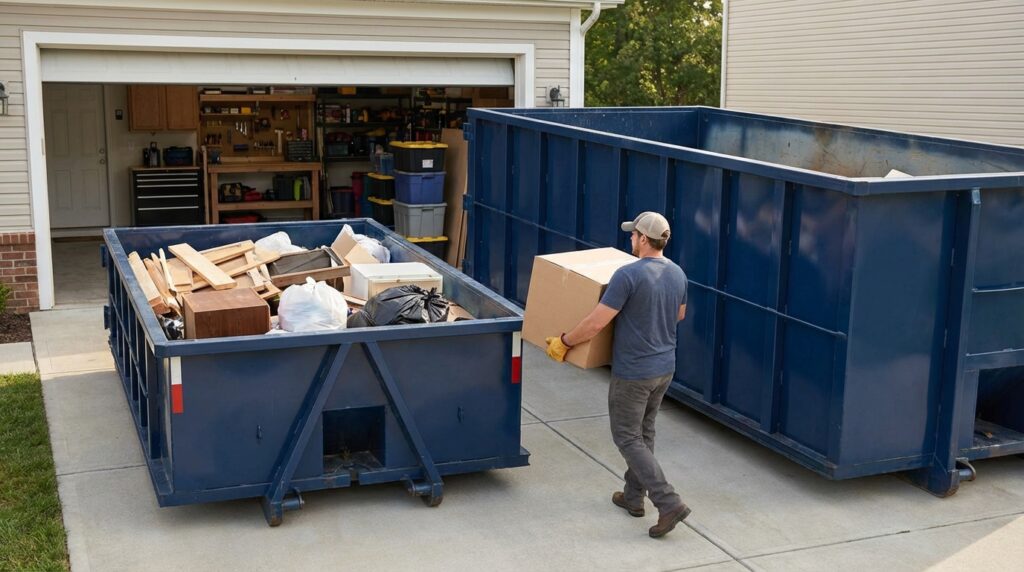
Professional hauling services offer various waste container dimensions designed specifically for residential waste management needs. The standard options include 10-yard, 20-yard, 30-yard, and 40-yard dumpsters, each serving distinct project scales. For typical garage cleanouts, homeowners generally find that smaller containers provide adequate debris volume estimation without overwhelming their property or budget constraints.
Working with an experienced rental company provides access to delivery logistics, pickup service scheduling, and guidance on local ordinances affecting placement. Most dumpster rental services include delivery, a specified rental period, and haul-away as part of their standard pricing structure. Understanding these service components helps you evaluate which disposal service offers the best value for your garage organization waste removal needs.
Container Size Selection Determines Garage Cleanout Efficiency
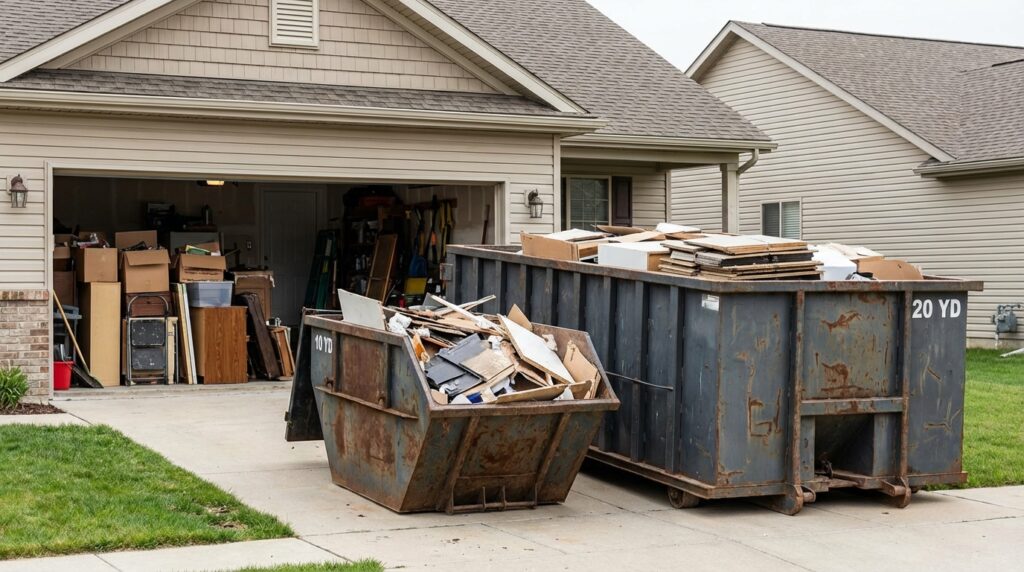
Choosing between available dumpster dimensions requires honest assessment of your debris volume. A single-car garage with moderate clutter typically generates 10-15 cubic yards of waste, while a two-car garage renovation project might produce 20-30 cubic yards. Accurate waste volume calculation prevents the costly mistake of renting inadequate capacity or paying for unused container space that sits empty on your driveway.
Consider not just current visible items but also hidden debris in storage areas, shelving units, and overhead spaces. Broken appliances, old furniture, construction debris from previous projects, and years of accumulated household waste quickly fill available capacity. Professional contractors recommend overestimating slightly rather than dealing with overfill penalties or scheduling additional pickups mid-project.
How Do Different Roll-Off Dumpster Sizes Compare for Residential Cleanouts?
Understanding the practical dimensions and volume capacity of each container option helps match your specific garage junk disposal needs. The following comparison illustrates how different sizes accommodate various project scopes and debris types commonly encountered during garage clear space initiatives.
| Dumpster Size | Dimensions (Approximate) | Capacity | Best For |
|---|---|---|---|
| 10-Yard Dumpster | 12′ × 8′ × 4′ | 10 cubic yards | Small garage cleanout, light decluttering |
| 20-Yard Dumpster | 22′ × 8′ × 4.5′ | 20 cubic yards | Full garage cleanout, moderate renovation |
| 30-Yard Dumpster | 22′ × 8′ × 6′ | 30 cubic yards | Large garage plus additional spaces |
Weight Limits and Tonnage Restrictions Affect Debris Removal Planning
Every waste container includes maximum tonnage allowances, typically ranging from 2-4 tons for residential projects. Exceeding these weight limits results in substantial overage charges that can dramatically increase your disposal costs. Heavy materials like concrete, dirt, or metal accumulate weight quickly compared to lightweight household waste or cardboard boxes.
When planning your garage restoration project, separate heavy construction debris from lighter junk removal items. This strategy helps you estimate whether your debris composition might approach weight limit thresholds. Most rental companies provide clear weight guidelines and can help you assess whether your specific waste mixture poses concerns about exceeding tonnage restrictions.
Permit Requirements and Municipality Regulations Govern Dumpster Placement
Before scheduling delivery, research your municipality’s regulations regarding temporary waste containers on residential property. Some jurisdictions require permits for dumpsters placed on public streets, while HOA communities may have specific guidelines about container placement, rental period duration, or acceptable placement locations. Understanding these local ordinances prevents potential fines or forced removal situations.
Your driveway typically offers the most convenient placement option, protecting street access while keeping the waste receptacle close to your work area. However, verify that delivery trucks can safely navigate your property access and that the container won’t damage driveways, landscaping, or underground utilities. Reputable dumpster rental services often provide protective boards to distribute weight and minimize surface damage during the rental period.
What Items Are Prohibited in Standard Debris Containers?
Environmental regulations prohibit certain materials from entering standard landfill facilities through conventional debris disposal. Understanding these restrictions prevents service refusal or additional fees when your hauling service arrives for pickup. Most rental companies provide detailed lists of prohibited items specific to your area’s recycling center and landfill requirements.
Common prohibited items include hazardous materials such as paint, chemicals, batteries, and tires. Electronics often require separate e-waste processing, while certain appliances need refrigerant removal before disposal. Always verify acceptable waste types with your contractor or rental company before beginning your decluttering project to avoid complications during the pickup service phase.
Frequently Asked Questions
What size dumpster do most homeowners need for a typical garage cleanout?
Most residential garage cleanouts require a 10-yard or 20-yard dumpster, depending on garage size and clutter levels. A 10-yard container handles light to moderate decluttering in single-car garages, while 20-yard dumpsters accommodate full two-car garage cleanouts or projects involving renovation debris and larger furniture items.
How long can I keep a rental dumpster for my garage project?
Standard rental periods typically range from 7-14 days, with most companies offering flexible extensions for additional daily or weekly fees. Plan your cleanout timeline realistically, accounting for sorting, loading, and potential weather delays. Many rental services accommodate weekend warriors who need containers spanning two weekends for thorough garage organization projects.
Can I place a dumpster on my driveway without damaging the surface?
Professional rental companies provide protective plywood boards or similar materials to distribute the container’s weight and minimize surface damage. Communicate any concerns about your driveway condition when scheduling delivery. Asphalt driveways in hot weather are most vulnerable to impressions, while concrete surfaces generally withstand temporary container placement without issues.
What happens if I overfill my garage cleanout dumpster?
Overfilled containers create safety hazards during transport and typically result in additional fees or pickup refusal until debris is removed to acceptable levels. Fill lines marked on containers indicate maximum capacity. Load materials level with the top edge, ensuring nothing protrudes above the rim, which could shift during hauling and create road hazards.